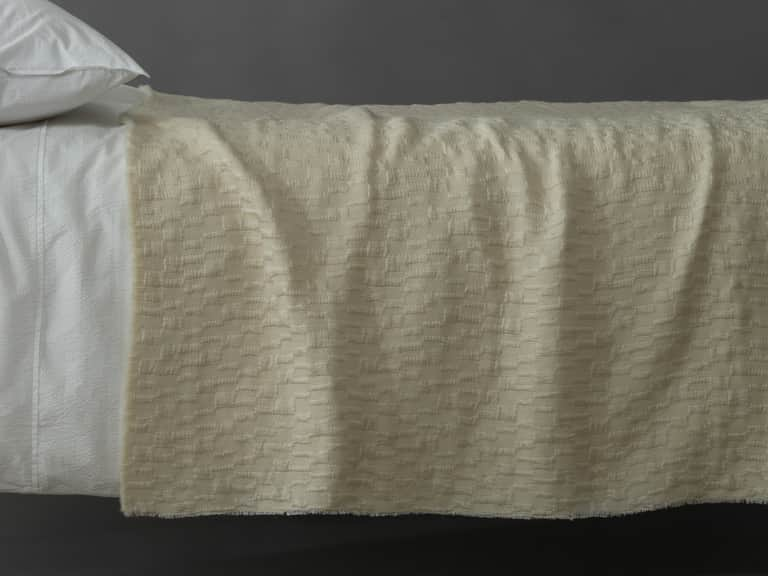
Blankets and quilts add warmth, texture, and an extra layer of comfort to bedroom bedding. Their weight and construction influence how they feel across different seasons, while their surface can complement pillows, sheets, and duvet covers. Understanding these differences helps match a bedcover or quilt to room temperature, personal comfort, and everyday use.
A quilt typically combines a decorative top layer with filling and backing, often joined by stitching that helps keep the layers in place. Blankets may be lighter or more flexible, making them useful for layering over sheets or adding warmth without changing the duvet. Fabric, thickness, and care requirements affect suitability for regular use.
The Auburn Coverlet provides a lightweight finishing layer for a bed, helping create a neat appearance while adding modest warmth. A coverlet is generally thinner than a quilt or duvet, so it can be useful in warmer weather or as an additional layer beneath heavier bedding. Its role is distinct from pillows and latex comfort products.
The Layal Bedcover functions as a decorative and practical layer over the bed, helping cover sheets and duvet covers when the bed is not in use. Bedcovers can reduce exposure to everyday dust and contribute to a coordinated bedroom setting. Their suitability depends on dimensions, fabric feel, and how easily they can be cared for.
When choosing among blankets, quilts, coverlets, and bedcovers, consider climate, desired warmth, bed size, and how the item will be layered with existing bedding. Lightweight options suit flexible, year-round layering, while thicker construction can provide extra insulation. Checking care guidance and material details supports comfortable use alongside sheets, pillows, and duvet covers.
 Bedding