A Practical Guide to Choosing Organic Linen Bedding for UK Homes
Explore fabric properties, certifications, and care practices for organic linen bedding in the United Kingdom. This feature blends archival context, scientific insight, and design sensibility to help readers select bedding that is breathable, durable, and kind to the planet.
Introduction: The Promise of Organic Linen
In the domestic landscape of the UK, where pulled wool mornings and brisk sea breezes meet the quiet warmth of a well-made bed, linen stands as a material with a storied past and a practical, modern future. Organic linen bedding represents more than a surface texture; it is a textile philosophy. GOTS-certified linen, grown in European fields and woven in purpose-built facilities, embodies a standard that couples environmental stewardship with uncompromising comfort. The journey from flax plant to sheet set is a story of stewardship, transparency, and craftsmanship—an arc that resonates with readers who value both performance and ethics in their linen.
This guide offers a clear map for navigating linen choices in UK homes: how linen behaves in different climates, how to read labels and certifications, and how to care for linen so its airy, breathable character endures for years. We draw on exemplary products from trusted brands, including the DownTown Company Layla Linen Duvet Cover, a modern expression of European flax linen, to ground principles in tangible examples.
What is Organic Linen?
Organic linen starts with flax grown without synthetic pesticides or chemical fertilizers. The long, bast fibers are harvested and processed with attention to environmental impact, often under certifications that verify organic farming, fair labor, and low-toxin processing methods. Linen fibers are hollow, contributing to superior breathability and moisture management; they wick moisture away from the body, allowing skin to feel cooler in warm nights and warmer in cooler seasons—an attribute particularly beneficial for the UK’s temperate maritime climate.
A global certification framework, notably the Global Organic Textile Standard (GOTS), provides assurance across the supply chain—from field to finished textile. When a product bears a GOTS label, that means organic flax is grown in verified environments, and the processing sequences—spinning, weaving, dyeing—adhere to criteria designed to minimize chemical load, preserve colorfastness, and protect workers and ecosystems.
In practice, organic linen bedding tends to be stone-washed or garment-washed to soften the texture without compromising the fabric’s inherent breathability. The result is a feel that develops with each wash: a relaxed, natural hand that still maintains crisp performance under repeated laundering.
Linen vs. Other Fabrics: Cotton, Blends, and Beyond
For comparison, cotton remains a familiar baseline—soft and warm, with a range of thread counts and finishes. However, linen offers a distinct advantage in temperature regulation and moisture management. In climates with damp air and variable temperatures, linen’s breathability can help reduce nighttime overheating and dampness.
When considering blends (for example, linen-cotton or linen-rayon blends), the aim is often to balance the tactile crispness of linen with the smoothness of cotton or the drape of rayon. Yet organic linen’s integrity—its core fiber—remains central. In the UK, where laundry routines favor cooler washes and line-drying or gentle tumble drying, linen’s durability and minimal pilling appeal to households seeking long-term value and reduced environmental impact.
The distinction matters: genuine organic linen carries a constellation of certifications (GOTS among them) that attest to agricultural sourcing, processing standards, and social responsibility. As you compare products, read the label for fiber origin, GOTS or other relevant certifications, and details about weaving and finishing that influence texture and care.
Sourcing and Certification: Reading the Labels
In a market saturated with claims of “organic” and “eco-friendly,” the label can be a compass. Look for:
GOTS Certification: Indicates organic flax, sustainable processing, and social criteria across the supply chain.
Chain-of-Custody: Documentation that tracks materials from field to finished product.
Country of Origin: In linen, flax may be grown in one region (e.g., France), spun or woven in another (e.g., Belgium, Portugal). The layering of regional expertise can inform texture and durability.
Finishes and Dyes: Look for plant-based softeners or low-impact dyes that preserve fabric integrity and skin comfort.
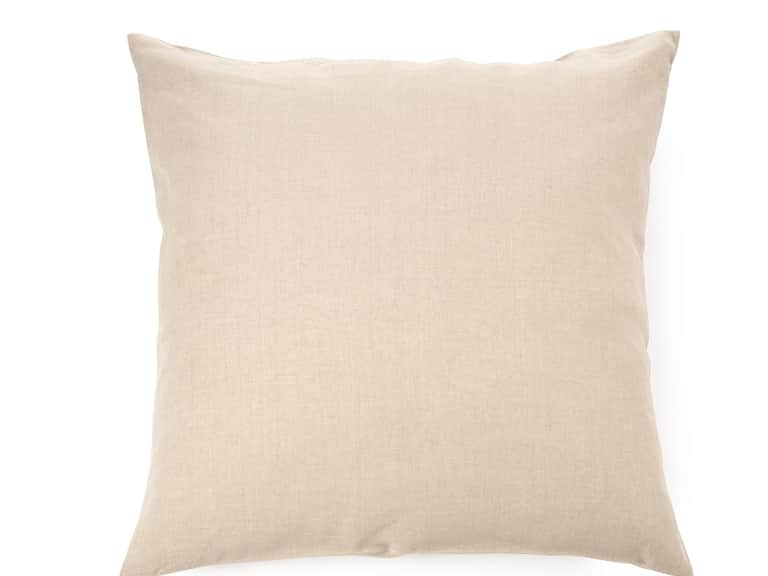
A practical example is the Heritage Basic Pillowcase, a 100% organic linen product woven in Belgium from European flax. It embodies a transparent approach to sourcing and production—local craftsmanship paired with a global standard of organic integrity. The result is a pillowcase that feels natural against the skin and responsibly made.
Care and Longevity: How to Care for Linen Bedding in UK Homes
Linen responds best to washing practices that honor its fiber properties. Practical guidelines include:
Water Temperature: Wash organic linen in cool to warm water (typically around 30-40°C). Excess heat can flatten the texture and accelerate wear on natural fibers.
Detergents: Use a mild, plant-based detergent that avoids harsh whiteners or brighteners which can degrade fiber finishes over time.
Drying: Line-drying is ideal for linen, but a low tumble-dry setting also works. Remove promptly to minimize excessive wrinkling, then fold or press lightly.
Ironing: If you prefer crisp linen, iron while slightly damp with a warm iron. For a softer drape, avoid pressing too aggressively and allow the fabric to rest.
Storage: Ensure sheets are fully dry before storing to prevent mildew. Store in a cool, dry place away from direct sunlight to preserve color and fiber integrity.
The Downton Company Layla Linen Duvet Cover serves as a practical reference point for care. Its stone-washed finish and flax linen composition invite a warm, breathable sleep environment that improves with time. The cover’s performance—temperature regulation, moisture management, and durability—highlights linen’s suitability for year-round UK living.
Climate, Room Design, and Linen: A Holistic View
Linen’s natural texture contributes to a calm, breathable sleep zone—an atmospheric layer that complements a tranquil bedroom design. When selecting linens for a UK home, consider:
Weave and Texture: Perforation, weight, and finish influence how linen drapes and how quickly it dries after washing.
Weave Comfort: A looser weave can feel lighter and cooler, ideal for summer or warmer bedrooms; a denser weave can offer a slightly crisper hand while remaining breathable.
Color and Finish: Neutral tones, pale blues, creams, and sage hues provide versatility and visual calm. Linen’s natural slub and texture read as design features rather than imperfections, especially when paired with simple, modern décor.
Consider pairing the Layla Linen Duvet Cover or Heritage Basic Pillowcase with matching linen sheet sets to craft a cohesive, breathable bedscape. The result is a sleep zone that feels naturally refined, free from the stiffness of overly processed textiles.
Three Key Figures: Linen’s Voices Across Time
Linen’s story is threaded by voices across centuries. Here are three figures who illuminate its enduring appeal:
Columella (c. 4 AD): The Roman writer and agriculturist whose agricultural writing celebrated flax and linen as essential to daily life. His insights into cultivation and fiber preparation established early standards for textile quality and use, echoing through to modern queries about material heritage and sustainability.
Leigh Fermor (1904–2011): The traveler and essayist who celebrated the tactile memory of linen in European interiors. His reflections on linen’s quiet, natural elegance connect the fabric to place and memory, underscoring linen’s role in creating intimate, lived-in spaces.
Contemporary textile historians and designers: Modern researchers and editors who trace organic linen’s provenance, imaging ethical supply chains, and championing GOTS-certification as a measure of trust. Their work helps readers navigate a complex marketplace with clarity and critical thinking, aligning design choices with sustainable values.
The presence of these voices—ancient, modern, and contemporary—reminds us that linen’s appeal endures because it embodies a balance of functionality, aesthetics, and ethics. In the UK’s climate and lifestyle, organic linen bedding offers a practical, humane way to embrace comfort without compromising ecological responsibility.
Product Spotlight: Layla Linen Duvet Cover
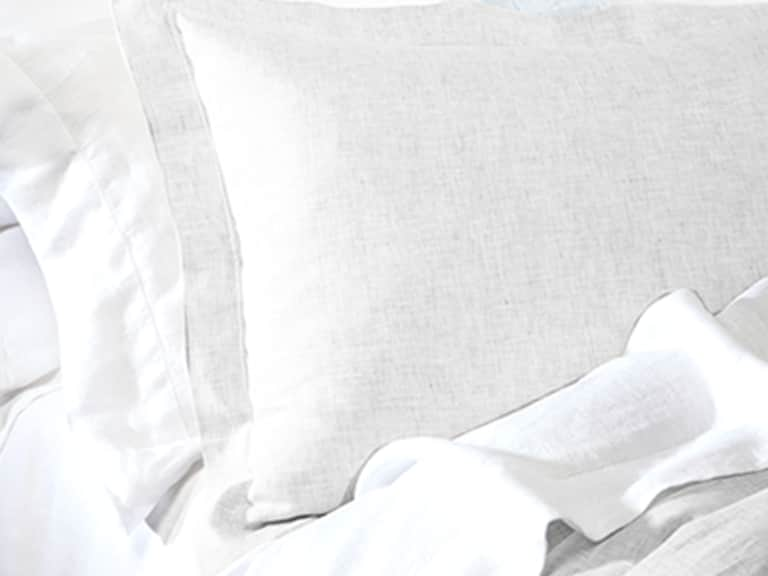
The DownTown Company Layla Linen Duvet Cover embodies a quiet, tailored luxury. Crafted from 100% stone-washed flax linen and finished with a hemstitch and flange, it offers a breathable, cool-to-warm transitional surface that ages gracefully. Its Portuguese production lineage reflects a long textile heritage, with a loose weave that fosters air circulation and moisture management.
In usage, Layla becomes an anchor for a serene bedroom aesthetic: clean lines, unforced texture, and a timeless white that harmonizes with soft neutrals and natural materials. The cover’s durability and care-friendly design—machine washable, with long-term softness—make it a practical choice for UK homes where laundry loads are frequent and water usage is a consideration.
Product image not displayed in this article
Note: Images are displayed here for illustrative purposes in the article context. See product page for official visuals.
Quick Reference: Material Cheat Sheet
Organic Linen: 100% flax, breathable, moisture-wicking, temperature-regulating; durable with a naturally textured hand; best with cool-warm climates.
GOTS Certification: Indicates organic farming, ethical processing, and social responsibility across the supply chain.
Care: Cold to warm washes, mild detergents, line-drying or gentle tumble dry, warm iron if desired; avoid harsh chemicals to preserve texture and fiber integrity.
Weave and Weight: Looser weaves feel lighter and cooler; heavier weaves offer more warmth and structure. Linen’s texture is natural and valued for its character rather than flaw.
Conclusion: A Practical Path to Sustainable Comfort
The choice of organic linen bedding for a UK home is a choice about health, comfort, and responsibility. By foregrounding GOTS-certified linen, you invite a textile lifecycle that prioritizes environmental stewardship and humane labor practices while delivering the breathable, adaptive performance linen offers. The UK’s variable climate—its cool, damp winters and softly warm summers—can be matched by linen’s ability to regulate temperature and manage moisture, fostering healthier sleep environments and a more sustainable home routine.
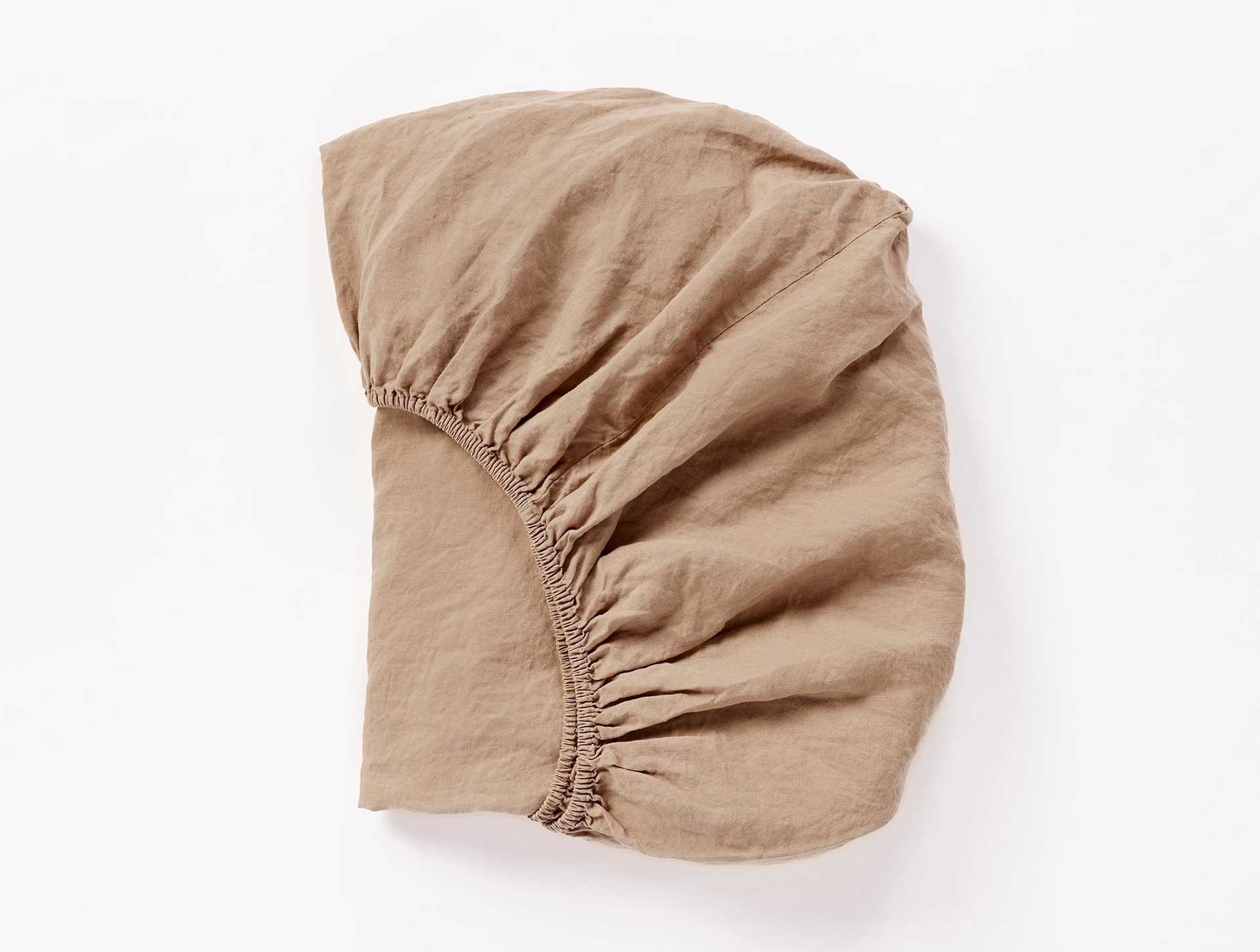
As you design or refresh your bedroom, consider a layered approach: Layla Linen Duvet Cover for a foundational texture, combine Heritage Basic Pillowcases for a Belgian linen touch, and complement with Organic Relaxed Linen Fitted Sheets to complete a cohesive, breathable bed system. The result is a space that feels like a natural extension of the landscape outside—calm, cool, and thoughtfully made.
Experience cool, breathable comfort with Layla Linen—stone-washed softness, year-round temperature balance, and effortless durability. Layered with subtle hemstitch and a tailored flange for an elegant, relaxed look that improves with time. Made in Portugal.
Sleep cooler and crisper with breathable, organic Belgian linen that’s soft yet durable; locally made, transparent, and easy to care for—line-dry or tumble dry gentle, for effortless, everyday luxury.
Sleep cooler and softer with every night: 100% organic French flax, breathable linen, and plant-based finish. Snug 15" pocket with full elastic and pick-stitch cuffs for secure, durable fit—season to season comfort with a premium, GOTS-certified touch.